
You can contact us 24/7Â 09330372226
₹0.00
Weight Based Shipping. Kindly Check Weight and Delivery location
The best discounts this week
Every week you can find the best discounts here.
Dog Choize Adult Dog Food – Chicken Flavour (800g) | Complete Nutrition
Taiyo Defender Chicken & Liver Adult Dog Food – 100gm | Balanced Dry Diet
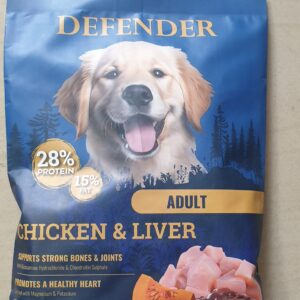
Taiyo Defender Chicken & Liver Adult Dog Food – 3 kg | Balanced Dry Diet
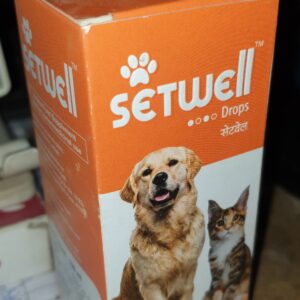
Setwell Drops 100ml | Herbal Wellness Support for Pets & Birds
SkyEC Star Coat Syrup 200ml – Omega 3, 6, 9 Pet Supplement
Corise Clivet 300 mg Tablets for Dogs & Cats (Strip of 10)
₹0.00
Weight Based Shipping. Kindly Check Weight and Delivery location
Cat Breeds of India for Indian Homes: Local Felines vs Imported Pedigrees
Who are these Humpty Dumpty Cats???
1) Grey and White: Miss Jolly (Bente, meaning Shorty in Bengali), F 3 yrs, with us from 1 month of age as a motherless Kitten.
2) Fawn: ‘Ayo Baba’ Swami Katappa, M 4 yrs, addressed respectfully as such. With us since 6 months of age after losing half a Tail and two hind paws to a run over accident and after being rescued by or NGO Pashupati Animal Welfare Society-PAWS ( www.pawsrescue.in )
They love us because we don’t spoil them with love; we just care for their biological needs with very well observed thought and provide all the creature comforts they need. Both are Indian and off the streets of India, without any medical attention being required through the 3-4 yrs of their lives. We know how to keep them healthy. How healthy? The video speaks!
They stay unattended for 12+ hrs at a stretch without any intention of running away. But they do love the daily walk on the lawn with the owner and come back quickly when called. We surpass their expectations and they follow our commands. Fair give and take.
That’s our commitment to pets that we’ve kept as captives and they have adjusted well to captive life.
If you want cats as companions, please read on to compare and decide which breed you want.
Most guides to âcat breedsâ in India rattle off Persians, Siamese or British Shorthairs. What they rarely mention is that the majority of cats actually living in Indian homes and colonies arenât pedigree animals at all â theyâre local landrace cats, shaped by centuries of living alongside people and surviving the subcontinentâs climate. Think for yourselves whether such cats are most adapted to human company in Indian climate or the foreign ones.
Indigenous Types Youâll Meet Every Day
Unlike formally registered breeds, Indiaâs native cats are better described as types or strains. Common examples:
Indian Shorthair (âDesiâ cat): Short, sleek coat; tabby, patched or solid colours; lean and athletic. Low grooming needs and generally good parasite resistance.
Urban street cats: A genetic mix of generations of city life. Agile, wary at first, but surprisingly affectionate once settled.
Village cats: Often stockier or more compact. Skilled hunters with a reputation for surviving on little.
Semi-feral balcony cats: Cats that hover around houses, fed by neighbours, then slowly accept indoor life.
These cats arenât designer products; theyâre tough survivors. That brings a few advantages: lower grooming costs, fewer inherited deformities, having a coat suited to Indian climate and metabolism tuned to Indiaâs heat and humidity. Metabolism is the key to good health in almost all cases. There is no fun in providing good food to your cat if he cannot metabolize it well. To be understood well, metabolism depends largely upon climate adaptation.
But it is to be understood clearly that Indian cats on the streets are of several different breeds created by Mother Nature, only waiting to be recognized and named by humans. No breed name does not mean breed-less. See the Kennel Club of Indians Group run by us at https://www.facebook.com/groups/268815870156651/
In that group, we have already started evaluating each breed as per physical traits that go hand in hand with temperamental traits and started breed branding them.
Imported Breeds: Beauty with Baggage
Foreign names dominate pet shops: Persian, Siamese, British Shorthair, Bengal, Ragdoll, Maine Coon. Theyâre bred for looks or temperament but come with trade-offs:
Long coats like the Persianâs need daily grooming and cool rooms to prevent matting and heat stress.
Certain lines carry inherited issues (breathing problems in flat-faced Persians, joint issues in Maine Coons).
Imported breeds are costlier to buy and maintain, and often less resilient to local parasites or diet changes.
Well, that’s the bag full of extra trouble that you buy at a premium price.
Side-by-Side: Local vs Imported
| Aspect | Local âDesiâ Cats | Imported / Pedigree Breeds |
|---|---|---|
| Climate tolerance | High; short coat, adapted | Often need AC or heavy grooming |
| Health | Broad gene pool, fewer hereditary issues | Narrow gene pool; specific genetic conditions |
| Cost | Adoption is free/low-cost | Purchase + maintenance can be high |
| Temperament | Varies widely; sometimes shy at first | More predictable; bred for certain traits |
| Maintenance | Minimal | Grooming, diet and vet costs higher |
Real-World Stories from Indian Adopters
On Reddit, Facebook groups and Indian pet forums you see the same pattern: someone feeds a stray, the cat starts following them home, and before long itâs vaccinated and curled up on their sofa. Joy and struggle go hand-in-hand:
Upsides: A sense of rescuing a life, a tough but affectionate companion, low purchase cost.
Challenges: Initial health issues (worms, fleas, malnutrition), socialising a cat thatâs used to fending for itself, integrating it with other pets, preventing your dear cat from roaming outside and getting exposed to high risks.
A recurring theme: A rescued street cat may never be a textbook lap-cat, but many become deeply loyal in their own way. You just need to understand their personalities and treat them as ‘persons’.
Bringing One Home: A Few Tips
Vet first: Vaccination, deworming and spay/neuter before full indoor access.
Patience pays: Socialise slowly; let the cat approach you. Do not start cuddling him immediately. Give him the care that he needs, but don’t mess with him. Allow him to warm up to you and ask for cuddles. A cuddle is a gift or sorts and unwanted gifts simply become a burden even for humans.
Realistic expectations: Street-born cats may keep some independence, and thatâs not a flaw. Understand his character and let him live at his own terms.
Donât compare unfairly: A âDesiâ isnât a lesser pet than a pedigree â just a different story, a different background for each desi cat.
The Bottom Line
If you want a hardy, low-maintenance cat that thrives in Indian conditions, look no further than your local colony or shelter. If youâre drawn to a specific pedigree for its look or temperament, be ready for higher costs and climate management. Either way, the bond you build matters more than the papers that came with the cat.
Recent Posts
- ⤏ā¤āĨ ā¤ĒāĨā¤°ā¤žā¤¨āĨ ā¤āĨā¤°ā¤žā¤šā¤āĨ⤠ā¤āĨ ⤞ā¤ŋ⤠ā¤ĩā¤ŋā¤ļāĨ⤎ ā¤ā¤Ģ⤰!
- āĻŦāĻŋāĻļā§āώ āĻ āĻĢāĻžāϰ, āϏāĻāϞ āĻĒā§āϰāύ⧠āĻā§āϰāĻžāĻšāĻāĻĻā§āϰ āĻāύā§āϝ !
- A unique offer for ALL returning customers!–English
- India was a land of very large dogs
- Cat Breeds of India for Indian Homes: Local Felines vs Imported Pedigrees
Recent Comments
Categories
- All About Pet Vaccines
- Animals Matter and Animal Matters
- Bengali
- Bengali
- Control by Fumigation
- English
- English
- English
- English
- Pain of Stray Dogs in India
- Pet-care Tips
- Pet-O-Pedia
- Promotion
- Promotion in Bengali
- Promotion in English
- Promotion in Hindi
- Puppy Vaccination Schedule
- Stray Dog Legal Matters
- Tick, Flea and Lice Control
- Uncategorized
- āĻŦāĻžāĻāϞāĻž


