You can contact us 24/7 09330372226

Rs.0.00
Weight Based Shipping. Kindly Check Weight and Delivery location
The best discounts this week
Every week you can find the best discounts here.

Simparica Trio Tablets Strip of 3 for 5.1 To 10 Kg Dogs
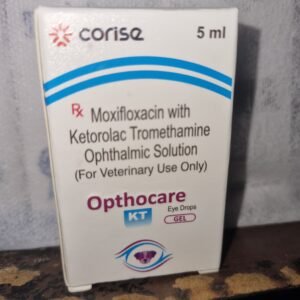
Opthocare KT 5 ml drops | For Eye Care of Pets

Petmax Nutritime All Ages All Breeds Dry Dog Food 20 kg

Name Tag Heart Shape Locket Xl Size for Dogs and Cats

Smart Heart Mother and Baby Dog Starter Food 1.2 kg

Oscinap Eye Drops 10 ml for Cats and Dogs
Rs.0.00
Weight Based Shipping. Kindly Check Weight and Delivery location
Stray Dog Issue Final Judgement of Hon. Supreme Court of 19 May 2026
The Supreme Court’s order of 19 May 2026 on stray dogs has generated widespread confusion, emotional reactions, and deliberate misinformation. Some sections have tried to portray the judgment as a green signal to remove, relocate, abandon, or even eliminate stray dogs from public spaces. That interpretation is legally incorrect and dangerously misleading.
The Court has not changed Indian law. The Prevention of Cruelty to Animals Act, 1960 and the Animal Birth Control (ABC) Rules continue to remain fully in force. Healthy stray dogs still cannot be illegally killed, poisoned, beaten, or arbitrarily relocated. The judgment does not authorize vigilante action by housing societies, municipalities, private groups, or individuals against community dogs or the people who care for them.
What the Court has essentially done is retract from the extremely harsh and offensive tone reflected in some earlier proceedings and place the burden back on governments and civic authorities. The Court reiterated that stray dog population management must happen through lawful, scientific, and humane methods — especially sterilization, anti-rabies vaccination, and organized animal care infrastructure.
At the same time, the Court expressed the view that stray dogs should ideally be removed from highly sensitive public areas such as bus stands, railway stations, airports, hospitals, schools, and institutional compounds, and shifted to shelters or animal care facilities. Importantly, the Court vested the responsibility for this on governments and municipal authorities, not on private citizens. In effect, the Court said that if authorities wish to permanently house dogs away from such spaces, then the State must create and maintain the necessary infrastructure. That is easier said than done. Turning this judicial “wish” into an enforceable nationwide reality would require enormous taxpayer-funded infrastructure — including land acquisition, large-scale shelters, veterinary facilities, trained staff, transport systems, sterilization units, food supply chains, and long-term maintenance budgets for millions of dogs. The judgment remains largely silent on the practical feasibility, financial burden, and implementation limits of such a massive exercise.
The Court also appears to have recognized that the issue had become deeply contentious nationwide. Strong objections had reportedly emerged from animal welfare groups, legal activists, veterinarians, and crores of animal lovers across India who feared that earlier observations could be misused to justify cruelty or unlawful displacement of community dogs. In the end, the Court effectively washed its hands of the continuing policy conflict by closing the case and refusing to entertain further proceedings in the matter before itself. Importantly, the Court stated that future grievances, disputes, or implementation-related challenges concerning stray dogs should now be dealt with by the respective High Courts. This means the legal battle over interpretation and implementation is far from over. High Courts across the country may still examine whether particular municipal actions violate the ABC Rules, constitutional protections, or animal welfare laws.
For animal lovers and feeders, the key point is this: the legal protections for community dogs have not disappeared. Feeding and caring for sterilized and vaccinated dogs remains lawful when done responsibly. For animal haters hoping for legal cover to attack or illegally remove dogs, the message is equally clear: cruelty remains punishable, and the law still protects stray animals from unlawful harm.
Ultimately, the judgment is less a declaration against stray dogs and more an acknowledgment that governments have failed for years to properly implement the humane birth-control and vaccination framework already mandated under Indian law.
Read the Full 131 page judgement at https://rkdpetshop.com/wp-content/uploads/2026/05/131-pages-19-MAY-26-SC-JUDGEMENT.pdf
Blog Headings/ Topics
Recent Comments
Categories
- All About Pet Vaccines
- Animals Matter and Animal Matters
- Bengali
- Bengali
- Bengali
- Control by Fumigation
- English
- English
- English
- English
- Pain of Stray Dogs in India
- Pet Supplement and Formulation Details
- Pet-care Tips
- Pet-O-Pedia
- Promotion
- Promotion in Bengali
- Promotion in English
- Promotion in Hindi
- Puppy Vaccination Schedule
- Stray Dog Legal Matters
- Tick, Flea and Lice Control
- Uncategorized
- বাংলা